Female vs Male Lions

Mukesh Kumar
| 11-02-2026
 · Animal Team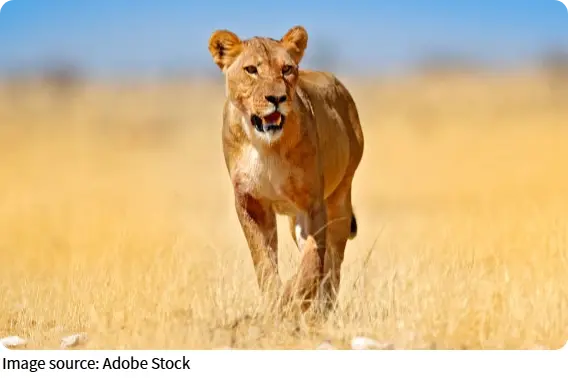
Watching lions in the wild is mesmerizing. The powerful presence of a male lion and the graceful agility of a female lion create a striking contrast, each playing unique roles in their social group.
Understanding these differences reveals not only their behaviors but also how they work together to survive and thrive.
Physical Differences
Male and female lions are easy to tell apart at first glance.
1. Size and build: Males are larger and bulkier, with broad shoulders and muscular frames, while females are slightly smaller but more streamlined for agility.
2. Mane: Male lions sport a thick mane that can range from blond to black. It serves as protection during fights and signals maturity to other lions. Females lack a mane, which allows them to move quietly while hunting.
3. Face features: Male lions have more prominent, squared faces, while females display narrower, sleeker features.
Actionable example: If observing a pride at a wildlife reserve, note how the males often sit visibly at pride edges, while females move with purpose through the grass.
Roles in the Pride
The social structure of lions relies on a division of responsibilities.
1. Hunting: Lionesses are the primary hunters. Their agility, cooperation, and strategic planning help them catch prey efficiently.
2. Protection: Males patrol the territory, fend off intruders, and defend the pride against rival lions.
3. Raising cubs: Females care for the young, often nursing each other's cubs and teaching essential survival skills.
Actionable example: During morning hours, watch how lionesses coordinate silently to stalk prey, often splitting roles to surround it—an excellent lesson in teamwork.
Behavioral Differences
Male and female lions also differ in daily behavior and interaction.
1. Social interaction: Females are highly social within the pride, grooming and playing together, strengthening bonds.
2. Territory marking: Males mark boundaries using roars and scent to warn outsiders, while females focus on navigating and foraging within these limits.
3. Activity patterns: Lionesses spend more time hunting and moving stealthily, whereas males often rest longer, conserving energy for territorial defense.
Actionable example: At a sanctuary, observe how males may remain stationary in the sun for hours, while females are actively moving, coordinating, and interacting with other pride members.
Reproductive and Parenting Roles
Reproduction and cub-rearing highlight distinct responsibilities.
1. Mating: Males mate with receptive females in the pride, ensuring the continuation of the group's lineage.
2. Cub protection: Male presence deters external threats, including rival males seeking to take over the pride.
3. Nurturing: Females nurse and teach cubs, introducing them to hunting techniques and social behaviors gradually.
Actionable example: If observing a pride with young cubs, note how lionesses frequently rotate who stays with the cubs while others hunt, demonstrating shared caregiving.
Communication Differences
Communication is vital for pride cohesion, with distinct tendencies between genders.
1. Roaring: Males roar to announce their presence and ward off intruders. Their deep, resonant calls can travel up to five miles.
2. Vocal signals: Females use softer vocalizations to coordinate hunts and interact with cubs.
3. Body language: Both genders communicate through tail flicks, ear positions, and face expressions, but males often display more dominant postures.
Actionable example: Listen to a pride at dusk—the male's prolonged roars contrast with short, frequent calls from females guiding each other or signaling cubs.
Survival Strategies
The differences between males and females ensure pride survival.
1. Complementary roles: Males provide defense while females supply food, combining strengths for overall success.
2. Risk management: Lionesses' cooperative hunting reduces failure rates, while males' vigilance prevents territory loss.
3. Adaptability: Both genders adjust behavior based on environmental pressures, such as drought, prey availability, or rival threats.
Actionable example: Observe how a pride shifts positions during the dry season, with lionesses scouting new hunting grounds while males strategically relocate to protect borders—showcasing adaptive teamwork.

The dynamic between male and female lions is a remarkable example of division of labor and cooperation in nature. Each gender has evolved unique traits and behaviors that complement the other, creating a balance that ensures survival. Next time you watch lions, pay attention to the differences in movement, posture, and interactions—it's a masterclass in social structure, strategy, and instinct.