Cooking Without Waste

Mukesh Kumar
| 18-03-2026
 · Lifestyle Team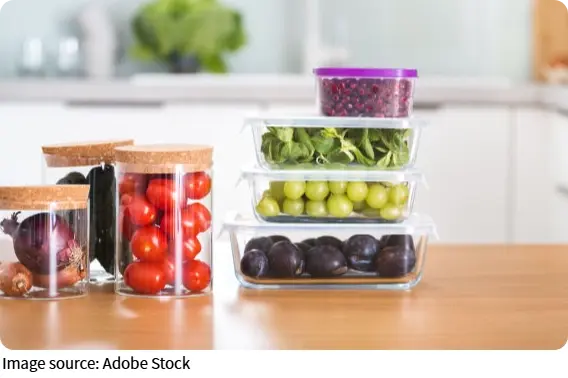
Ever thrown away a wilted vegetable or a half-used bottle of sauce and thought, “What a waste!”
You're not alone. Our kitchens can be a major source of food waste, but with a little creativity and mindful planning, it's easy to reduce it.
The idea of a zero-waste kitchen is gaining momentum, and the best part? It's not just good for the planet; it can also help save money and improve the flavors in your cooking.
Start With a Plan: Meal Prep for Less Waste
A great way to reduce waste is to plan ahead. Meal prepping not only helps save time but also prevents you from buying more ingredients than you need.
1. Plan meals around what you already have: Take stock of your pantry and fridge before planning your shopping list. Use what you have to create meals, then fill in with any missing ingredients.
2. Portion control: Sometimes we end up with leftovers because we cook too much. If you're cooking for one or two, consider halving recipes or cooking just enough for one meal.
3. Batch cooking: If you have more ingredients than you can use, make larger portions and freeze leftovers for future meals.
Repurpose Scraps: Use Every Part of Your Ingredients
We often throw away parts of food that could easily be reused. Think of onion skins, carrot tops, or broccoli stems. Instead of tossing them, use them creatively!
1. Vegetable scraps for broth: Collect your leftover vegetable peels, stems, and ends. Throw them in a saucepan with some herbs, water, and simmer for a delicious homemade broth.
2. Fruit scraps for smoothies: Overripe bananas, apple cores, and citrus peels can easily be blended into smoothies. You're saving waste and creating a nutritious drink at the same time.
3. Eggshells for plants: Crush eggshells and use them to enrich your garden soil. The calcium helps plants thrive.
Mindful Shopping: Buy What You Need, Not What You Want
Impulse buying at the grocery store leads to unused food that ends up in the trash. Being mindful of your purchases can significantly reduce waste.
1. Stick to your list: Be specific about quantities to avoid buying too much. Buying in bulk might sound appealing, but if you can't use it all, it will go to waste.
2. Choose fresher, longer-lasting produce: Some fruits and vegetables last longer than others. For example, apples, potatoes, and carrots can stay fresh longer than lettuce or berries, helping you avoid last-minute waste.
3. Use reusable bags: It's not just food that ends up in the trash—plastic bags do too. Using reusable bags reduces unnecessary waste.
Creative Storage: Keep Your Food Fresh Longer
Improper storage can be a major contributor to food spoilage. To reduce food waste, pay attention to how you store your ingredients.
1. Proper fridge organization: Keep your fridge clean and organized. Place items with shorter shelf lives in the front so you can use them first. Invest in good containers to keep food fresh longer.
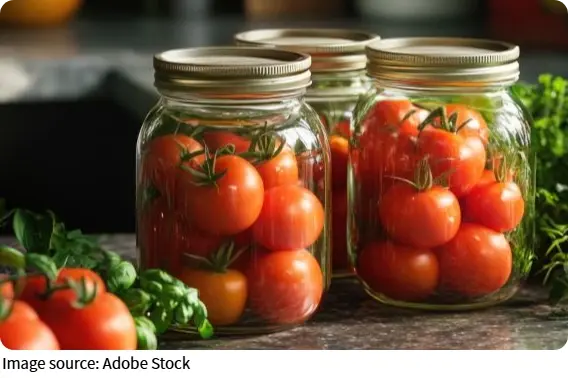
2. Use jars for leftovers: Instead of relying on plastic wrap, store leftovers in glass jars. This helps preserve the food and reduces plastic waste.
3. Freezing and preserving: Freezing fruits and vegetables can prevent spoilage. When you have excess, freeze chopped veggies for soups or smoothies.
Composting: Reduce Waste, Feed Your Garden
Instead of throwing away food scraps that can't be repurposed, turn them into nutrient-rich compost.
1. Composting basics: You can compost fruit and vegetable scraps, coffee grounds, eggshells, and more.
2. The benefits: Composting reduces landfill waste and provides free, natural fertilizer for your garden.
3. Compostable bags: If you live in an apartment or don't have outdoor space, there are compostable bags to collect scraps for donation to local composting centers.
Transforming your kitchen into a zero-waste haven doesn't require drastic changes—it's about making small, intentional decisions. Whether repurposing scraps or planning your meals more effectively, every step reduces food waste and can improve your cooking experience. By being mindful of how we shop, store, and prepare food, we're taking practical steps toward a more sustainable future, one meal at a time.