Calathea Orbifolia Care

Santosh Jha
| 07-04-2026
 · Plant Team
The Calathea orbifolia, with its large, round leaves adorned with intricate patterns, is a true jewel in any plant lover's collection.
Known for its lush appearance and striking variegation, it's no surprise that this plant has become a favorite among indoor gardeners. However, despite its beauty, Calathea orbifolia can be a bit tricky to care for.
In this article, we'll break down the essential tips for successfully growing this stunning plant in a container, ensuring it thrives in your home environment.
1. Choosing the Right Container and Soil
Before you even bring home your Calathea orbifolia, it's crucial to pick the right container and soil to create the best growing conditions.
Container Selection: Select a container with good drainage holes. This is essential to prevent root rot, as Calathea orbifolia doesn't like its roots sitting in water. A ceramic or clay container is a great choice, as it helps with moisture control, but any container with proper drainage will work.
Soil Type: Calathea prefers rich, well-draining soil. A mix of peat moss, perlite, and a bit of pine bark works well to retain moisture without becoming soggy. The soil should be slightly acidic, with a pH level between 5.5 and 6.5, mimicking the tropical conditions of its native habitat.
2. Lighting Requirements: Perfect Placement
Calathea orbifolia thrives in bright, indirect light. Direct sunlight can scorch its delicate leaves, causing brown spots and damage. Here's how to get it right:
Bright, Indirect Light: Place your plant in a spot where it gets plenty of light, but not direct sun. A few feet away from a window with sheer curtains works perfectly. Too little light can slow growth, and the leaves might lose their vibrant markings.
Avoid Direct Sunlight: Direct sunlight will burn the plant's leaves, leading to crispy edges and faded patterns. If you're keeping your Calathea on a windowsill, make sure there is a sheer curtain or some form of shading between it and the sun.
3. Humidity: The Key to Healthy Leaves
Being a native of tropical regions, Calathea orbifolia loves humidity. In dry conditions, its leaves can curl or develop brown tips. To keep it happy, consider these tips:
Maintain High Humidity: The Calathea thrives in high humidity, ideally between 60% and 80%. If you live in a dry area or use air conditioning frequently, your plant may require extra care. You can use a humidifier, mist the leaves occasionally, or place a shallow tray of water near the plant to increase ambient moisture.
Avoid Overwet Leaves: While humidity is important, be cautious about overwatering or keeping the leaves wet for long periods, as this can lead to fungal issues. Focus on increasing ambient humidity rather than constantly wetting the foliage.
4. Watering: Finding the Right Balance
Watering is critical for Calathea orbifolia. Overwatering can lead to root rot, while underwatering stresses the plant.
Check the Soil Moisture: Water when the top 1–2 inches of soil feels dry. The soil should be consistently moist but not soggy.
Use Room-Temperature Water: Always water with room-temperature water, as cold water can shock the roots. Calathea plants are sensitive to chemicals like chlorine, so if possible, use filtered or distilled water, or let tap water sit for 24 hours to dissipate chlorine.
5. Temperature: Keeping It Warm and Cozy
Calathea orbifolia does best in warm environments. It prefers temperatures between 65°F to 75°F (18°C to 24°C). Here's how you can ensure your plant stays comfortable:
Avoid Cold Drafts: Keep your plant away from cold drafts or sudden temperature changes, as this can cause stress. Avoid exposing it to temperatures below 60°F (15°C).
Warmth Is Key: If you live in cold winters, place your Calathea near a consistent source of warmth, but not directly next to heaters or radiators, which can dry the air.
6. Fertilizing: Feed With Care
While Calathea orbifolia isn't a heavy feeder, it still benefits from regular feeding during the growing season. Here's how to fertilize:
Use Balanced Fertilizer: Fertilize with a balanced, water-soluble fertilizer (e.g., 20-20-20) during spring and summer, once a month.
Avoid Over-Fertilizing: Too much fertilizer can burn roots. Dilute to half the recommended strength to avoid overfeeding.
7. Pruning and Maintenance
Pruning Calathea orbifolia helps keep the plant looking its best and encourages new growth.
Remove Dead or Yellow Leaves: Regularly check for yellowing or brown leaves and remove them with clean scissors. This helps conserve energy and prevent fungal issues.
Clean the Leaves: Dust can accumulate on the large leaves; wipe them gently with a damp cloth to keep them shiny and healthy. This also improves light absorption.
A Rewarding Plant to Grow
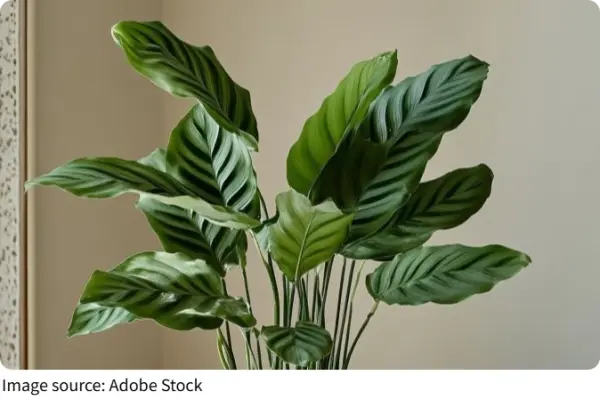
Caring for a Calathea orbifolia may require attention and patience, but the reward is a beautiful, vibrant plant that brightens any space. By following these tips and paying attention to its unique needs, your Calathea will thrive and become a focal point in your home. Over time, you'll enjoy its stunning, glossy leaves—a true showstopper for any indoor garden.