Homemade Pies for Season

Ethan Sullivan
| 30-04-2026
 · Lifestyle Team
There's a certain rhythm to baking pies that follows the year without trying too hard.
On cooler mornings, rolling dough feels grounding.
On warmer afternoons, chilled fillings and quick assembly make more sense. Homemade pies don't belong to just one season. When you adjust flavors, textures, and timing, pie baking becomes something you can return to all year, not just for special dates.
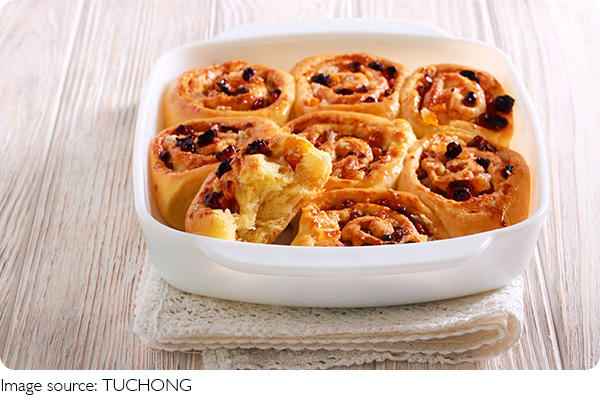
Spring Pies That Feel Light and Fresh
Brighter flavors, Lighter fillings, Clean finishes
Spring pies work best when they don't feel heavy. The goal is freshness and balance, letting ingredients speak without too much richness.
1. Choose fillings that hold their shape without long baking times. Soft fruits and custard-style fillings work well.
2. Use a thinner crust to keep the overall bite lighter.
3. Chill the filling briefly before baking so it sets evenly.
Actionable example: For a simple spring pie, combine berries with a small amount of sugar and thickener, then bake just until the filling bubbles gently. Let it cool fully so slices stay neat.
Summer Pies That Stay Cool and Relaxed
No-fuss prep, Chilled textures, Quick assembly
Hot days call for pies that don't demand constant attention. Summer pies often rely on minimal baking or chilling instead of long oven time.
1. Pre-bake the crust early in the day to avoid extra heat later.
2. Use fillings that firm up in the fridge rather than the oven.
3. Keep flavors simple so they feel refreshing instead of overwhelming.
Actionable example: Make a chilled fruit pie by filling a baked crust with lightly sweetened yogurt and fresh fruit. Chill for two hours before serving so everything sets cleanly.
Autumn Pies With Deeper Flavor
Warm spices, Softer textures, Comfort focus
As temperatures drop, pies can take on more depth. Autumn pies are about warmth, both in flavor and texture.
1. Roast or cook fillings slightly before baking to deepen flavor.
2. Use spices carefully so they support rather than dominate.
3. Bake until the filling looks thick and stable, not loose.
Actionable example: For a spiced fruit pie, cook the filling briefly on the stove before adding it to the crust. This reduces excess moisture and gives you more control over texture.
Winter Pies That Feel Rich and Satisfying
Full flavor, Firm slices, Longer baking
Winter pies are meant to feel substantial. They hold heat longer and slice cleanly, making them perfect for sharing.
1. Use fillings that benefit from slow, steady baking.
2. Blind-bake the crust to prevent sogginess.
3. Let the pie cool completely before cutting to allow the filling to set.
Actionable example: For a dense winter pie, bake it earlier in the day and reheat gently before serving. This improves texture and makes slicing easier.
One Dough That Works All Year
Reliable base, Easy adjustments, Consistent results
You don't need a different dough for every season. A dependable base lets you focus on fillings instead.
1. Keep dough cold so it rolls smoothly.
2. Rest it before rolling to avoid shrinkage.
3. Adjust thickness depending on the filling's weight.
Actionable example: Roll dough slightly thicker for winter pies with dense fillings, and thinner for spring and summer pies to keep everything balanced.
Timing Makes More Difference Than Recipes
Better texture, Cleaner slices, Less stress
Many pie issues come down to timing, not ingredients. Rushing steps usually shows in the final result.
1. Let pies cool fully before cutting.
2. Chill chilled pies longer than you think they need.
3. Taste and adjust sweetness before baking whenever possible.
Actionable example: If a filling tastes flat before baking, add a small pinch of salt or a splash of citrus juice. Small adjustments make a noticeable difference.
The best homemade pie recipes aren't locked to one season or one tradition. They adapt. When you pay attention to temperature, texture, and timing, pie baking starts to feel flexible instead of demanding. Over a year, those small adjustments turn into instinct. At that point, pie stops being a project and becomes something you naturally make when the season feels right.