Painted Childhood Secrets

Raghu Yadav
| 12-05-2026
 · Art Team
Paintings about childhood can feel funny, awkward, sweet, noisy, dreamy, or unexpectedly serious. Some show playful scenes full of movement, while others capture quiet moments that seem frozen between curiosity and imagination.
The fascinating part is that artists rarely painted childhood by accident. Every toy, pose, color, pet, and expression often carries hidden meaning.
Childhood in painting is far more than smiling faces and tiny shoes. It reveals how different eras understood growing up, learning, play, family life, freedom, and imagination. Once you learn how to look carefully, even the smallest childhood painting can become a lively little story.
The Tiny World Inside
Paintings about childhood often feel familiar because they capture emotions people still recognize today. Curiosity, boredom, mischief, excitement, and daydreaming have survived every century surprisingly well.
Why Children Look Serious
One funny surprise appears in many older paintings: children often look extremely serious. Modern viewers sometimes expect giant smiles and playful energy, then suddenly face a tiny person staring like a royal philosopher.
This happened for several reasons. Long painting sessions were difficult, so calm poses worked better. Formal portrait traditions also influenced childhood images. In some eras, children were painted almost like miniature grown-ups.
Yet seriousness does not always mean sadness. Sometimes the still expression simply reflects patience, curiosity, or the painter’s style.
When viewing these works, look beyond the face. Hands, posture, clothing, and nearby objects may reveal the real mood. A child holding a toy loosely or leaning sideways may secretly communicate playful energy despite the calm expression.
A useful trick: cover the face briefly and study the body language first. The painting may suddenly feel much more alive.
Toys Tell Stories
Childhood paintings often include small objects carrying hidden clues. Balls, dolls, books, pets, ribbons, fruit, musical tools, hoops, and hobby items can all suggest personality or daily life.
Sometimes toys symbolize learning or imagination. Sometimes they quietly reveal wealth and social class. A beautifully dressed child surrounded by expensive objects tells a different story from one playing outdoors with simple handmade items.
Artists also loved showing tiny moments of chaos. A rolling toy, tilted chair, or wandering pet can break the stiffness of formal composition and make the scene feel human.
This is why background details matter so much. The main figure may catch your attention first, but the side details often contain the most personality.
Try this practical exercise: choose one object in the painting and imagine it disappearing. Does the scene feel quieter, stranger, or less playful? That object probably carries emotional weight.
Color Creates Childhood Mood
Artists often use softer or brighter tones in childhood scenes to create warmth and movement. Pale blue, golden light, creamy fabric, gentle green, and warm red accents can make the atmosphere feel lively without becoming chaotic.
However, not every childhood painting uses cheerful colors. Some artists prefer muted tones to create nostalgia or reflection. Others use dramatic contrast to show tension between innocence and the surrounding world.
Pay attention to where bright colors appear. Sometimes the child’s clothing becomes the brightest element in the entire scene, pulling attention instantly. Sometimes the surroundings remain dark while the child seems almost glowing.
This contrast can create emotional focus. The child becomes the center of energy within a quiet room or shadowy landscape.
A fun viewing challenge: squint slightly and locate the brightest color immediately. That spot usually reveals the emotional center of the composition.
Reading Childhood Art
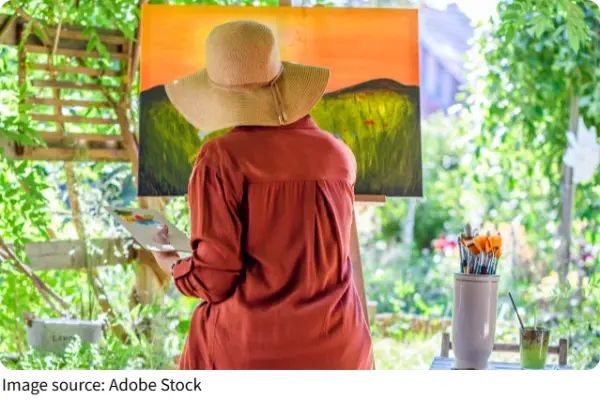
The best childhood paintings reward slow observation. They are not only records of young people. They are reflections of memory, imagination, family life, and social ideas about growing up.
Movement Makes Paintings Feel Real
Children rarely sit perfectly still in real life, so artists often include subtle movement even in calm portraits.
A foot turning outward, loose hair, tilted shoulders, twisted fabric, or a half-finished gesture can make a scene feel active. These details prevent the image from becoming lifeless.
Some painters exaggerate movement beautifully. Running games, dancing, chasing pets, climbing, or playful imbalance create scenes bursting with energy.
When you view childhood art, trace invisible movement lines. Which direction does the body lean? Where does the gaze travel? What seems about to happen next?
This turns the painting into a living moment instead of a frozen object.
For Lykkers, here is a useful habit: ask yourself what happened five seconds before the painted moment. Was someone laughing? Running? Hiding? That tiny question unlocks storytelling.
Animals Add Personality
Pets and animals frequently appear in childhood paintings because they instantly create warmth and unpredictability.
A sleepy cat may soften the atmosphere. A curious dog may mirror the child’s excitement. Birds, rabbits, or ponies can symbolize freedom, gentleness, or playful spirit.
Animals also create visual balance. Their shapes break up rigid poses and make scenes feel more natural.
Funny enough, animals sometimes steal the entire painting. A tiny dog pulling fabric or staring dramatically into space can become more memorable than the human figure.
Next time you study childhood art, spend several seconds looking only at the animal. Artists often use pets as emotional shortcuts connecting viewers with the scene immediately.
Messy Details Feel Honest
Perfectly arranged scenes can look beautiful but distant. Tiny imperfections often make childhood paintings feel believable.
A dropped ribbon, crooked sock, messy desk, scattered flowers, or uneven posture creates realism. These details remind viewers that childhood is energetic and unpredictable. Artists understand that small disorder creates emotional truth.
This idea works beyond painting too. Writers, photographers, and designers often use slight imperfection to create warmth and authenticity.
A practical creative tip: when sketching or photographing childhood-inspired scenes yourself, leave one detail slightly imperfect. That small irregularity may create far more charm than perfect symmetry.
Why Childhood Paintings Feel Emotional
Many viewers connect strongly with childhood art because it activates memory. Even if the clothing, rooms, or customs belong to another century, the emotions still feel recognizable.
Curiosity near a window. Boredom during lessons. Pride in a favorite object. Shyness near strangers. Daydreaming during quiet afternoons.
These moments survive cultural change surprisingly well.
Artists know this. Good childhood paintings do not only show children. They remind viewers what it felt like to experience the world for the first time.
That emotional connection explains why even quiet childhood scenes can feel powerful without dramatic action.
Try Looking Like A Storyteller
Instead of asking whether a painting looks realistic, ask what kind of story it tells. Is the mood playful? Lonely? Curious? Mischievous? Calm? Hopeful? Which detail supports that mood most strongly? This approach transforms museum visits completely. Paintings stop feeling like historical homework and start behaving like visual novels filled with clues.
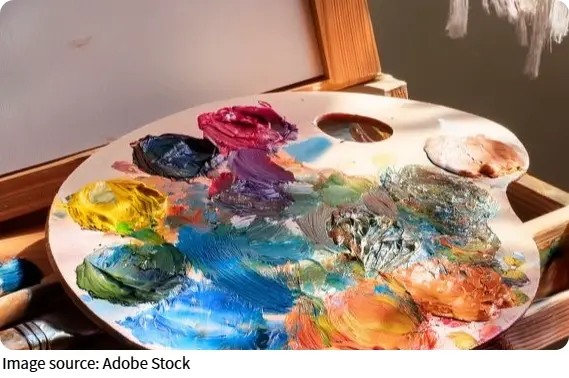
Childhood in painting reveals far more than pretty faces and old clothing. Artists use color, movement, toys, animals, lighting, and tiny imperfections to create emotional stories about curiosity, imagination, and growing up. The next time you see a childhood painting, slow down and look beyond the surface. Notice the small objects, hidden movement, and playful details. The quietest scene may secretly hold the loudest story.