Is Plain Water Enough?

Elena Rossi
| 30-05-2026
 · Food Team
Hi, Readers!
You grab your water bottle, fill it up, and sip throughout the day feeling like you have the whole hydration thing figured out.

But then the afternoon heat hits, and somehow you still feel tired, dizzy, and oddly drained. Sound familiar? The truth is, plain water is a great start, but during summer it often does not tell the full story of hydration.
Why Plain Water Is Not Always Enough
Approximately 60% of our body is made up of water, so keeping those levels topped up matters more in summer than any other season. The issue is that when temperatures climb, your body loses far more than just water. During hot weather, your body sweats more to regulate its temperature, and while sweating helps cool you down, it also leads to the loss of electrolytes along with fluids. Electrolytes like sodium, potassium, and magnesium help your body actually use the water you are drinking. Without them, water can flush right through you instead of hydrating your cells.
The Hidden Danger of Drinking Only Plain Water
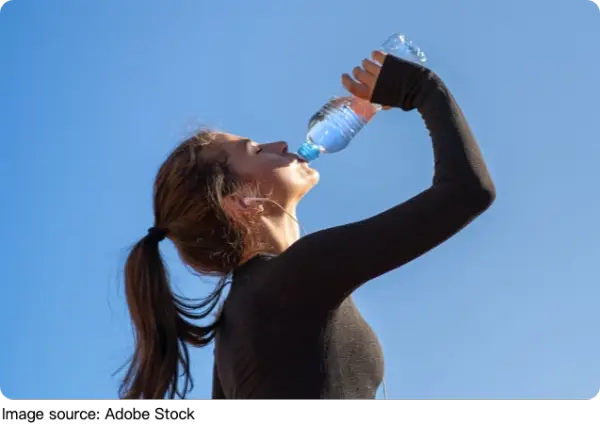
Hyponatremia, or dangerously low blood sodium, is a real risk in summer. It happens when you drink excessive plain water without replacing sodium losses. A classic scenario: you drink 6 to 8 liters of water during a long, hot outdoor activity believing "hydration equals water," and your sodium level drops below 135 mmol/L, causing confusion, nausea, seizures, or worse. This is not just an athlete problem. Anyone spending extended time outdoors under the sun is at risk.
In temperatures above 85°F with moderate activity, sodium losses can reach 3,000 to 6,000mg daily. That is a significant amount that plain water simply cannot replenish. Both heat exhaustion and dehydration need electrolytes immediately, as plain water alone will not restore mineral balance.
Signs You Are Not Hydrated Enough
Your body gives clear signals when it needs more than just water. Fatigue, headaches, dizziness, dry mouth, irritability, and dark liquid waste are all common early signs that your body may need more fluids. When you lose electrolytes with fluids, your body's ability to absorb water is compromised, worsening dehydration symptoms. Electrolyte imbalance can interfere with muscle function, causing cramps and hindering physical performance. Disruptions in nerve function due to electrolyte loss can also lead to tiredness, weakness, and difficulty concentrating.
A quick and reliable check: track your hydration by checking physical fluid color, since pale yellow is ideal. Anything darker signals that your body is calling for more support.
What to Drink Instead
You do not need to overhaul your entire routine. A few smart swaps go a long way. It is best to consume about half your fluid intake in water and half in a beverage that contains electrolytes. Coconut water is a great option, as this mineral-rich liquid is packed with potassium, magnesium, sodium, and calcium, so it replenishes lost fluids and electrolytes from exercise and hot climates quickly.
If you prefer something homemade, mix a pinch of salt, some lemon juice, and a little honey in water to get a good balance of electrolytes without too much sugar. A small pinch of high-mineral salt like Celtic or pink Himalayan salt in your water also helps your body hold onto hydration more effectively.
Eat Your Way to Better Hydration
Drinks are not the only source of electrolytes. Summer brings a wonderful variety of hydrating fruits like watermelon, oranges, strawberries, and grapes that are naturally high in water content, and these fruits also provide electrolytes like potassium and magnesium that help your body retain fluids more effectively. Spinach is also a leafy green packed with potassium, magnesium, and calcium, which are important electrolytes for cardiovascular health, nerve function, and hydration.
Water is not the only thing that contributes to overall hydration, as foods with high water content and other beverages count too. Building your meals around fresh, seasonal produce in summer is one of the most natural ways to stay on top of your fluid and mineral needs without even thinking about it.
How Much Should You Drink Daily
Though we have all heard the eight-glasses-a-day recommendation, hydration needs vary from person to person and change depending on heat, humidity, and activity levels. Aim for 0.5 to 1 liter per hour during outdoor activity in heat above 80°F, with electrolytes in every other bottle. A lot of people wait until they feel thirsty before reaching for water, but by then, the body may already be starting to feel the effects of dehydration. Do not wait for thirst to strike. Sip consistently and steadily throughout the day.
Plain water is not the enemy. It is essential. But in summer, treating it as your only hydration strategy leaves a real gap. Pair it with electrolyte-rich drinks, seasonal fruits, and mineral-dense foods, and you will feel the difference almost immediately. Stay smart with your fluids this season, Lykkers, and your body will thank you for it every single sunny day.