Colors and Mood

Finnegan Flynn
| 20-06-2026
 · Lifestyle Team
Hi, Readers! Walk into a bright yellow room and it can feel like your brain just got a little tap on the shoulder.
Step into a soft blue space and suddenly everything seems to exhale. That is why people keep asking whether home color schemes really affect mood.
The short answer is yes, but not in a neat little one-color-fits-all way. Color psychology suggests that colors can influence feelings, behaviors, and even how comfortable a space feels, though personal experience and culture also play a big part.
Researchers and designers have long noticed that color can change the atmosphere of a room. Some shades tend to feel energizing, while others feel calming. Warm colors like red, orange, and yellow are often linked with energy, warmth, and excitement. Cool colors like blue, green, and purple are more often tied to calm, peace, and relaxation. Still, this is not a magic remote control for the human mind. A color that feels cheerful to one person may feel overwhelming to another, depending on memories, preferences, and the room itself.
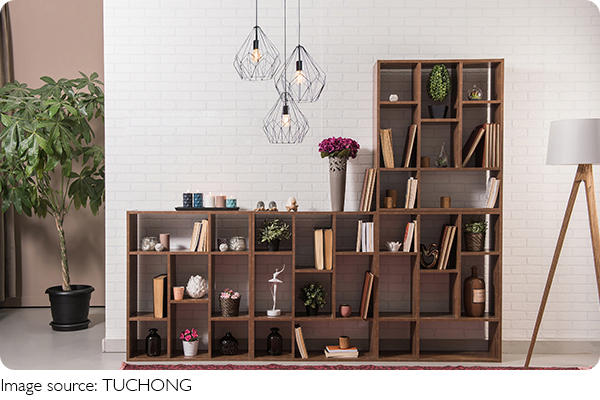
Warm colors and energy
Warm colors usually bring a lively, active feeling into a space. Red is often associated with strong emotion, excitement, and intensity. In a home, that can make a room feel dramatic or stimulating, but if used too heavily it may also feel restless or intense. Orange tends to feel enthusiastic and inviting, like a room that wants you to stay and chat a little longer. Yellow is often connected with happiness, brightness, and optimism. It can make spaces feel sunny and open, though in some settings a very strong yellow may feel a bit too loud, like a playlist turned up one click too far.
People living in rooms with warm color palettes may feel more energized or socially engaged, especially in shared areas such as living rooms or dining spaces. These shades can help a room feel cozy and animated. But in places meant for rest, too much visual heat can make it harder to feel settled.
Cool colors and calm
Cool colors usually create the opposite mood. Blue is commonly linked with calmness, stability, and serenity. Many people find blue bedrooms or study spaces soothing, which is one reason it often appears in areas meant for rest or concentration. Green is strongly associated with nature, balance, and renewal. It often feels easy on the eyes and can make a room feel grounded and refreshing at the same time. Purple can suggest luxury, creativity, or quiet depth, depending on the shade.
People in cooler-toned rooms may report feeling more relaxed, focused, or emotionally settled. That said, a room that leans too far into icy tones can sometimes feel distant or chilly. Color is a bit like seasoning in a soup. The right amount brings everything together. Too much, and the whole bowl gets bossy.
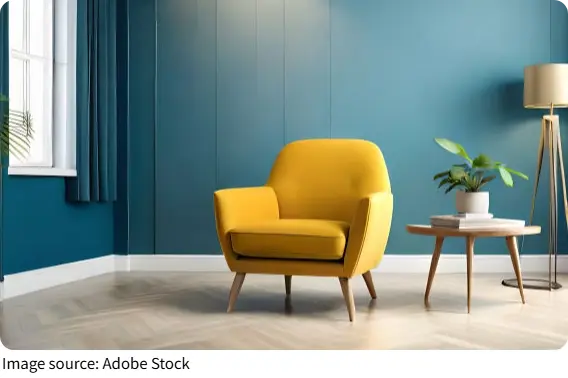
Neutrals, light, and personal meaning
Neutral colors such as white, gray, beige, and brown also affect mood, even if they do it more quietly. White can feel clean and open, but in some rooms it may seem stark. Gray can feel modern and balanced, though too much may feel dull for some people. Beige and soft earth tones often create comfort and warmth without demanding attention.
Light matters too. The same blue can feel peaceful in natural daylight and gloomy in a dim room. Room size, texture, furniture, and contrast all shape the final emotional effect. Personal associations matter just as much. If a certain green reminds someone of a favorite park, it may feel comforting. If the same shade brings up an unpleasant memory, the reaction may be completely different. Culture also influences meaning, so color responses are never perfectly universal.
What this means at home
So do people in different colored rooms show different psychological states? They can, yes. A bright, warm room may support energy, conversation, and activity. A cool, muted room may support calm, reflection, or concentration. Neutral rooms may feel flexible and steady. But color alone does not run the whole show. Personality, lighting, room purpose, and individual experience all have a seat at the table.
If you are choosing colors for your home, think less about strict rules and more about the feeling you want each room to support. Bedrooms often benefit from softer, calming tones. Work areas may do well with colors that help focus without feeling flat. Social spaces can handle more warmth and brightness if that suits your style.
In the end, home color really can influence mood, just not with the precision of a laboratory switch. It is more like background music for your walls, quietly shaping the vibe while the rest of life keeps dancing around it. If you are rethinking a room, start with how you want to feel in it, then let the color help tell that story.