Ways to Host a Better Picnic

Pardeep Singh
| 05-07-2026
 · Lifestyle Team
Do you know, Lykkers? A great picnic isn't about bringing the most food or finding the biggest park. The most memorable outdoor gatherings are carefully planned around comfort, timing, and small details that make everyone feel relaxed.
A successful picnic should feel easy rather than rushed, allowing guests to enjoy nature, conversation, and good food without unnecessary hassles. Whether you're organizing a casual afternoon with friends or a family outing, these practical ideas will help you create a picnic that people will remember for all the right reasons.
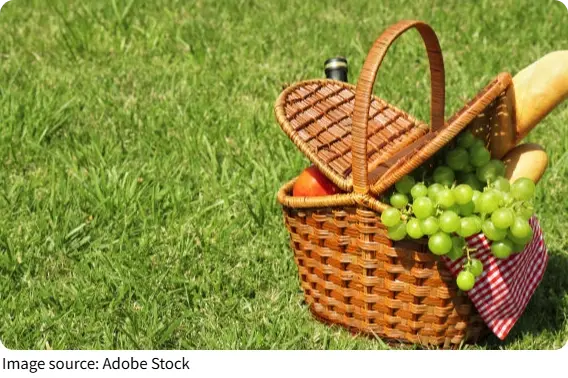
1. Choose the Right Location for Your Group
The setting shapes the entire experience, so think beyond a scenic view. A beautiful meadow may look inviting, but if it lacks shade, nearby restrooms, or parking, it can quickly become inconvenient. Look for locations that offer a balance of comfort and atmosphere. Parks with mature trees provide natural shade, while lakeside areas often benefit from cooler breezes during warm weather.
If children are attending, choosing a spot near a playground allows adults to relax while the younger guests stay entertained. Arriving 30 to 45 minutes before everyone else also gives you time to secure a good space before crowds arrive.
2. Plan Around the Weather, Not Just the Date
Checking the forecast the night before isn't enough. Temperature, wind speed, and UV levels can dramatically affect an outdoor gathering. Morning picnics are ideal during summer because the ground stays cooler and popular parks are quieter. In cooler seasons, early afternoon usually offers the most comfortable temperatures. Bringing lightweight blankets for cool breezes and a compact umbrella for unexpected showers ensures the event continues smoothly even if conditions change.
3. Build a Menu That Travels Well
The best picnic food isn't necessarily elaborate—it's food that stays fresh, tastes good at room temperature, and requires minimal preparation on-site. Choose sturdy options like wraps, pasta salad, roasted vegetables, fresh fruit, cheese, crackers, and sandwiches packed separately to prevent sogginess.
Instead of serving large portions, prepare smaller individual servings that guests can easily enjoy without balancing plates on their laps. For desserts, cookies, brownies, or fruit tarts hold up much better than cream-filled pastries, especially on warm days.
4. Keep Food Safe Outdoors
Food safety is often overlooked during picnics, yet it is one of the most important considerations. Use insulated coolers with plenty of ice packs to keep chilled foods below safe temperatures. Perishable items such as dairy products, cooked meats, seafood, and salads containing mayonnaise should remain refrigerated until serving time and shouldn't sit in direct sunlight for extended periods. Keeping separate coolers for beverages and food also helps, since drink coolers tend to be opened much more frequently.
5. Create Comfortable Seating
Many people underestimate how much comfort affects the overall experience. Instead of relying on one large blanket, combine waterproof picnic mats with smaller blankets and cushions. This creates separate seating areas and gives guests more flexibility. Foldable camping chairs are especially helpful for older family members or anyone who may find sitting on the ground uncomfortable. A low portable picnic table can also provide a stable surface for serving food and playing games.
6. Add Activities That Encourage Conversation
The most enjoyable picnics aren't filled with constant entertainment. Instead, include activities that naturally bring people together. Card games, travel-sized board games, frisbees, badminton, or a simple nature walk encourage interaction without dominating the day. Birdwatching, photography challenges, or a short scavenger hunt can make the outing especially enjoyable for families. A carefully selected playlist played at a low volume can also create a welcoming atmosphere without interrupting conversations.
7. Pack a Smart Picnic Kit
Experienced picnic hosts often rely on a dedicated kit packed in advance. Include reusable utensils, cloth napkins, serving spoons, a cutting board, trash bags, hand sanitizer, paper towels, sunscreen, insect repellent, and a compact first-aid kit. A bottle opener, extra containers for leftovers, and reusable food clips are also surprisingly useful. Keeping these essentials together in one storage box makes future outings much easier to organize.
8. Respect Nature and Fellow Visitors
Being a considerate picnic host means caring for the surroundings as much as your guests. Collect all litter before leaving, even small items like bottle caps or food wrappers. Avoid feeding wildlife, as human food can harm animals and disrupt their natural behavior. If you're using speakers, keep the volume low so others can enjoy the peaceful environment. Leaving your picnic spot cleaner than you found it is one of the simplest ways to help preserve public spaces for everyone.
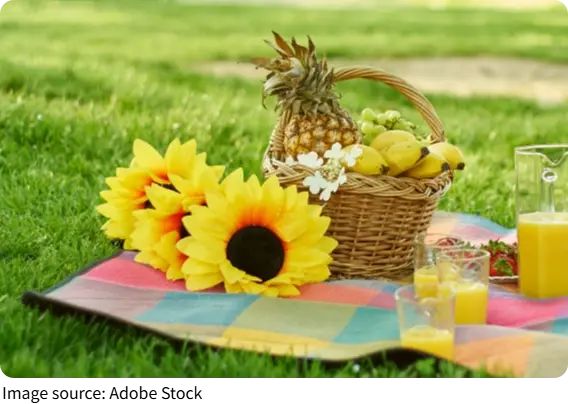
Hosting a memorable picnic doesn't require expensive equipment or an elaborate menu. It comes down to thoughtful preparation, practical planning, and creating a welcoming atmosphere where everyone can relax and enjoy the outdoors. From choosing the right location to serving easy-to-share meals and respecting the natural surroundings, every small decision contributes to a smoother and more enjoyable experience.