Birds' Urban Survival Skills

Finnegan Flynn
| 29-07-2026
 · Animal Team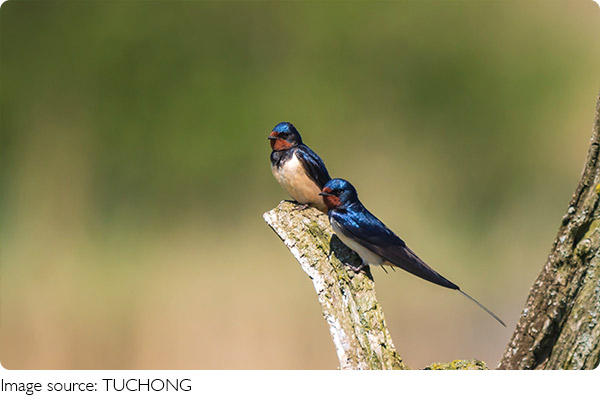
Ever notice how birds seem to be everywhere in the city?
From pigeons perched on statues to sparrows flitting around park benches, these resilient creatures have mastered the art of urban survival.
But how do they do it? Let's explore the amazing adaptations that allow birds to thrive in environments that are far from their natural habitats.
Adapting to Limited Nesting Spaces
In the wild, birds are used to building nests in trees, cliffs, and other natural structures. But in cities, the landscape is dominated by concrete, glass, and metal, leaving fewer suitable places to nest. Despite these challenges, many urban birds have developed creative solutions.
1. Using Man-made Structures
Birds like pigeons, sparrows, and starlings have learned to nest on window ledges, rooftops, and under bridges—areas that resemble cliffs or trees in the wild. For example, city pigeons have become experts at using the nooks and crannies of skyscrapers to create safe and sheltered nests. By adapting to human-made structures, these birds not only find shelter but can also avoid predators.
2. Modifying Nesting Habits
Some birds are also becoming more flexible in their nesting habits. For instance, house sparrows will take advantage of nearly any available space—whether it's an abandoned building, a shop sign, or even a decorative flowerpot on a balcony. This adaptability allows them to live in dense urban areas where natural nesting sites are scarce.
Adapting to Urban Food Sources
City life offers its own unique set of challenges when it comes to food. With limited access to natural food sources, urban birds have adapted their diets to include whatever they can find, from crumbs on the ground to food scraps in garbage bins.
1. Opportunistic Feeding
Urban birds are opportunistic feeders, meaning they will eat whatever food they can find. Pigeons, for example, will feast on discarded pizza crusts, bread crumbs, and even seeds dropped from bird feeders. Many city birds are also quick to learn how to forage in public spaces, like parks and outdoor markets, where human activity provides an easy food supply.
2. Urban Bird Feeders
In addition to scavenging, some birds have adapted to the presence of human-provided food sources. People who feed birds in urban areas play a key role in supporting these feathered friends. For example, putting up bird feeders filled with seeds, nuts, or suet can provide a reliable food supply for species like chickadees, woodpeckers, and finches. Urban birds have learned to rely on these food sources, which can sustain them through the winter months or during periods when natural food is scarce.
Surviving Noise and Pollution
City life isn't just about adapting to food and shelter—birds must also contend with noise, pollution, and even the risk of collisions with buildings. Urban environments can be overwhelming, but birds have evolved ways to cope with these stressors.
1. Adjusting Vocalizations
The noise of traffic, construction, and city life can drown out the sounds that birds use to communicate. To adapt, many urban bird species have begun to raise the pitch of their calls. Studies have shown that birds like sparrows and warblers will sing at higher frequencies to make themselves heard over city noise. This change helps them maintain contact with other birds and attract mates.
2. Navigating Through Urban Obstacles
Birds face a major challenge in avoiding collisions with glass windows and tall buildings. Some species, like swallows and falcons, have adapted their flying patterns to navigate through narrow city streets or tall buildings. Certain birds also rely on landmarks such as trees or antennas to guide them through the urban jungle, avoiding glass windows and other dangerous obstacles.
Adapting to Urban Climate Variability
Cities tend to have warmer microclimates than rural areas due to the heat generated by buildings, roads, and other infrastructure. This "urban heat island" effect can be both a challenge and an opportunity for birds.
1. Utilizing Warmer Microclimates
The extra warmth in urban areas can be beneficial for some birds, especially during the winter months. Birds like pigeons and sparrows have adapted by taking advantage of these warmer urban areas to help them survive the colder seasons. For example, city birds might roost in places that retain heat from the sun during the day, such as building rooftops or areas near busy roads.
2. Coping with Urban Droughts
While cities can be warmer, they can also be drier than natural habitats. Urban birds have adapted to this by finding alternative sources of water. They often drink from fountains, bird baths, or even water puddles on the streets. Some species have also developed behaviors to conserve water, like being more active during the cooler morning hours to avoid dehydration.
Becoming More Tolerant of Humans
One of the key adaptations of birds in cities is their increased tolerance of human presence. While many species are naturally wary of people, urban birds have learned to coexist with humans in a way that allows them to thrive.
1. Tolerating Close Proximity
Birds like pigeons and crows have become remarkably comfortable in close proximity to humans. They often feed in crowded public spaces, such as city squares, parks, and even subway stations, where they have little fear of human activity. This tolerance allows them to live in environments where other animals would struggle to survive.
2. Socializing with Other Birds
Urban environments also provide birds with opportunities for socializing and forming larger groups. Species like crows and starlings can often be seen in large flocks in cities, foraging together and roosting in communal areas. This social behavior helps protect birds from predators and increases their chances of finding food and shelter.
Conclusion: Birds as Urban Survivors
Birds have shown remarkable resilience and adaptability in urban environments. From nesting on buildings to adjusting their diets and vocalizations, these creatures have developed a range of survival strategies that allow them to thrive in the bustling city. Their ability to adapt to human-altered landscapes is a testament to their resourcefulness and flexibility. By understanding how birds have evolved in urban environments, we can better appreciate their role in our cities and work to create spaces that support their continued survival.