Jewelry Beyond Price

Pankaj Singh
| 13-08-2026
 · Fashion Team
Hello Lykkers! Have you ever looked at a beautifully crafted necklace, ring, or bracelet and felt that it was worth far more than the materials used to make it? That feeling is not unusual. Exquisite jewelry can carry a sense of importance that goes beyond the gold, gemstones, or price displayed in a shop window.
The secret lies in a combination of craftsmanship, rarity, design, emotion, and the story surrounding a piece. Sometimes, what makes jewelry feel truly valuable is not simply what it contains, but what it represents.
Beauty Creates an Immediate Impression
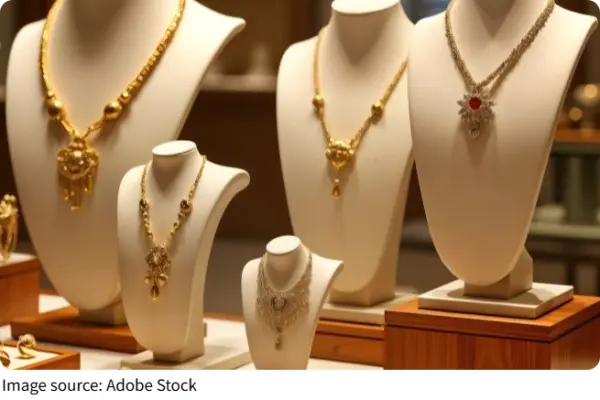
The first thing we notice about fine jewelry is usually its appearance. A carefully designed piece catches the light, balances different shapes, and draws attention to tiny details.
This visual experience can make an item seem more luxurious. Recent research into luxury jewelry found that aesthetic value was the strongest predictor of consumers’ willingness to pay more for jewelry made with alternative materials. The research examined how beauty, self-expression, social value, rarity, and sustainability affect perceived value.
In simple terms, when something looks exceptional, people may perceive it as more desirable before they even know its price.
Craftsmanship Is Hidden Inside the Beauty
A remarkable piece of jewelry is often the result of considerable skill. Setting gemstones securely, shaping precious metals, creating smooth finishes, and achieving precise proportions require experience and patience.
Much of this work is almost invisible once the jewelry is finished. Yet those small details can separate a carefully made piece from an ordinary one.
This is why two pieces containing similar amounts of gold or gemstones can have very different prices. Quality of craftsmanship, materials, rarity, design, and market demand can all contribute to a piece's value.
Rarity Makes the Story More Powerful
People naturally become interested in things that are difficult to find. A rare gemstone, unusual design, limited-edition creation, or antique piece can feel more special because fewer people can own one.
Rarity does not automatically guarantee a high price, but when scarcity is combined with beauty and desirability, it can create a powerful sense of exclusivity.
That feeling of owning something uncommon can become part of the jewelry's appeal.
Jewelry Can Carry Personal Memories
Unlike many luxury purchases, jewelry often has a strong emotional side. A ring might represent a relationship. A necklace might be a family gift. Earrings may remind someone of an important celebration.
This emotional connection can make a piece priceless to its owner, even when its market value is difficult to determine.
A consumer study involving more than 1,500 fine-jewelry owners found that emotional connections such as love and joy were among the leading motivations for jewelry purchases, alongside factors such as quality, craftsmanship, and brand reputation.
Expert Insight: Value Is More Complicated Than Price
Jack Ogden is a British gem and jewelry historian and independent researcher whose work has focused for more than five decades on the history and technology of gems and jewelry.
His research into the history of gem appraisal shows that people have assessed gemstone quality and value for centuries, using different standards and forms of expertise across cultures and historical periods.
His work highlights an important point: the idea of what makes a jewel valuable has never been based on one simple measurement.
The Power of a Name and a Story
A famous maker or jewelry house can also change how people perceive a piece. A recognizable name can represent heritage, craftsmanship, rarity, and status.
However, the name is only one part of the equation. A beautiful piece from an independent designer can also feel extremely valuable when it has distinctive design, excellent workmanship, and a compelling story.
This is why luxury jewelry is often about more than materials. It can communicate taste, personality, history, and social identity.
Why Price and Value Are Not the Same
Perhaps the most important lesson is that price and value are not identical. The price is the amount someone asks for a piece. Value can include its materials, workmanship, rarity, emotional meaning, desirability, and reputation.
A jewel that costs thousands may have little emotional significance to one person but enormous sentimental value to another.
The Real Magic of Exquisite Jewelry
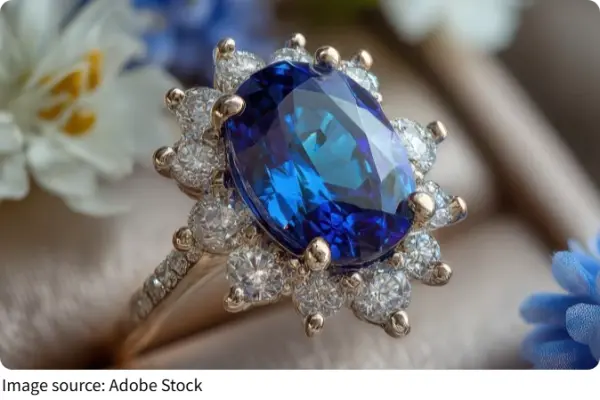
Lykkers, exquisite jewelry feels valuable because it combines many different forms of worth in one small object. Gold and gemstones provide the physical foundation, while craftsmanship creates beauty. Rarity adds exclusivity, and personal stories give the piece emotional meaning.
That is why a truly memorable jewel can feel like much more than an expensive accessory. It can become a piece of art, a symbol of identity, and sometimes a treasured memory that lasts for generations.