Golden Hour Magic

Simone
| 08-09-2026
 · Art Team
Hi, everyone. You probably think the best time to shoot landscapes is whenever you happen to be there with a camera.
But ask any photographer who's been at it for a while, and they'll tell you the same thing: the hour after sunrise and the hour before sunset are when the real magic happens. It's not about luck or fancy gear.
It's about the quality of light, and that light only exists twice a day.
The light gets soft and warm
When the sun sits low on the horizon, its rays travel through more of the Earth's atmosphere. That extra distance scatters the blue light and leaves you with warm, golden tones that you just can't get at noon. Midday sun is harsh, direct, and casts deep, unflattering shadows. Golden hour light wraps around hills and trees instead, giving everything a gentle, even glow. Your camera sensor picks up those warm tones naturally, so you don't need to crank up the saturation slider in post. A shot of a mountain ridge like the Tetons at 6 a.m. will have a soft amber tint that a midday shot of the same range simply won't match.

Shadows add depth and texture
You don't just get warm colors during golden hour. You get long shadows that create real depth. At noon, the sun is above you, so shadows are short and flat. When the sun is near the horizon, shadows stretch out and reveal the contours of the land. That row of dunes in Death Valley, for example, shows ripples and curves in late afternoon that look like a flat beige pancake at 1 p.m. The texture of rock faces, tree bark, and even grass becomes visible because the light skims across the surface at an angle. It's like the landscape suddenly has a three-dimensional shape you couldn't see before.
Clouds become your best prop
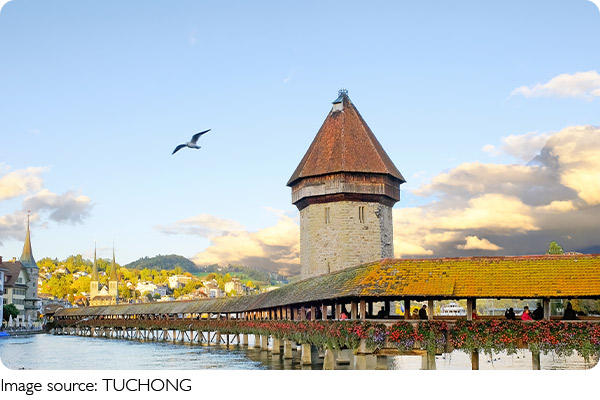
A clear sky at sunset is nice, but clouds are what make golden hour truly shine. When the sun drops low, it paints the underside of clouds in shades of pink, orange, and purple. Those colors bounce around and fill the sky with drama. A landscape with a few scattered cumulus clouds over a place like Monument Valley turns into a layered composition that pulls your eye across the frame. Even thin, wispy cirrus clouds catch the light and add texture to an otherwise empty sky. You can't control the weather, but if you shoot during golden hour, you give yourself the best chance to catch those cloud colors.
Timing beats gear every time
You might think you need a top-tier camera to get stunning landscape shots. That's not really true. A basic DSLR or even a modern smartphone can produce gorgeous images during golden hour because the light does most of the work. The trick is being in the right place at the right time. Use a weather app or a sunrise/sunset calculator to know exactly when the sun will rise or set in your location. Arrive at least 30 minutes early to set up your composition. Then wait. The light changes minute by minute, and the best color often comes just a few minutes after the sun dips below the horizon, when the sky glows in what photographers call the afterglow.
So next time you're planning a landscape outing, skip the mid-morning start. Set your alarm for early, or carve out that hour before dinner. The light will do the heavy lifting, and you'll walk away with images that feel richer, warmer, and full of depth. Worth a try this weekend, don't you think?